
Always the Listener, Never Heard: The Hidden Exhaustion in Indian Relationships
May 22, 2026 · 9 · Updated September 4, 2026 · by Shivam Kushwaha, Artha founder
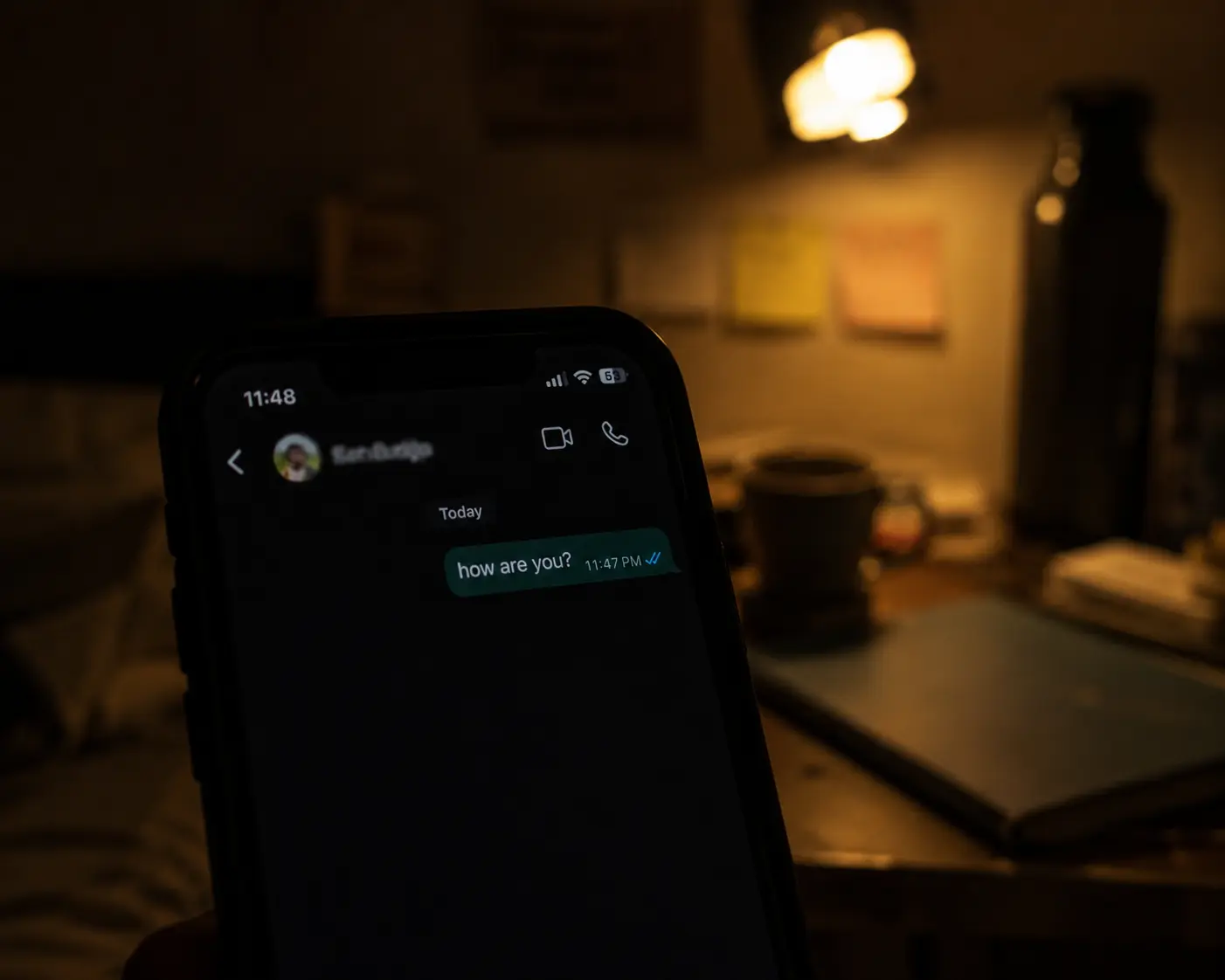
In almost every family, friend circle, or workplace team across India, there is one person who quietly assumes the role of the default listener.
Whenever a cousin goes through a messy breakup, a colleague suffers a workplace humiliation, or a friend experiences existential career panic, you are the person they call. You listen patiently for forty-five minutes. You offer gentle validation, validate their feelings, make soothing noises, and help them unpack their anxiety.
Then, when their storm passes, the call wraps up. They feel lighter, refreshed, and ready to face the world. You, on the other hand, sit with a heavy chest, absorbing the residual emotional static of a crisis that is not your own.
And when you occasionally attempt to share a fraction of your own vulnerability, mentioning that you are struggling with career burnout or family anxiety, the dynamic immediately shifts. Your struggle is interrupted, minimized, or swiftly redirected back to their life: "At least you have a stable job! Let me tell you what happened with my manager today..."
Being the perpetual listener while never feeling truly heard is a deeply isolating experience. Over time, it breeds chronic emotional fatigue, quiet resentment, and profound interpersonal loneliness.
+-------------------------------------------------------------------+
|               THE UNIDIRECTIONAL LISTENING DYNAMIC                |
+-------------------------------------------------------------------+
|  Person A (The Ventor):                                           |
|  [ Dumps crisis, fears, and anger for 45 minutes ]                |
|                           |                                       |
|                           v                                       |
|  Person B (The Default Listener):                                 |
|  [ Absorbs emotional load, provides empathy & solutions ]         |
|                           |                                       |
|                           v                                       |
|  When Person B tries to speak:                                    |
|  "Oh that's tough, but anyway, as I was saying..."                |
|  (Result: Person B is emotionally drained and completely unheard) |
+-------------------------------------------------------------------+
The Cultural Script of the Dutiful Listener in India
In the Indian social environment, this dynamic is reinforced by deeply socialized norms around collectivism, deference, and emotional self-erasure.
From an early age, especially within joint families and close-knit communities, individuals, particularly eldest siblings, daughters, and agreeable introverts, are praised for being patient, accommodating, and self-sacrificing:
- The Good Child Archetype: You learn that your value in the family unit is directly tied to how little trouble you create and how much emotional stability you provide to others.
- The Stigma of Direct Assertion: Stating your own emotional needs or setting boundaries on conversations is often labeled as selfish, disrespectful, or arrogant.
- The Obligation of Accessibility: In Indian social circles, being available 24/7 for phone calls and family dramas is treated as the bare minimum proof of loyalty.
- The Unspoken Emotional Hierarchy: Senior relatives and expressive family members dominate conversations, while introspective individuals are expected to serve as quiet spectators.
Clinical research on compassion fatigue and emotional labor documented by the American Psychological Association highlights that absorbing secondary trauma and chronic emotional distress without adequate reciprocal outlets leads to severe emotional depletion, anxiety, and physical exhaustion.
+-------------------------------------------------------------------+
|               THE PROGRESSION OF EMOTIONAL DEPLETION              |
+-------------------------------------------------------------------+
|  Stage 1: Empathetic Availability                                 |
|  (You pride yourself on being a supportive, reliable confidant)   |
|                           |                                       |
|                           v                                       |
|  Stage 2: Compassion Fatigue                                      |
|  (Phone calls from close friends trigger dread and tight chest)   |
|                           |                                       |
|                           v                                       |
|  Stage 3: Resentment and Emotional Numbness                       |
|  (You feel exploited, withdraw socially, yet feel intense guilt)  |
+-------------------------------------------------------------------+
Why Chronic Listeners Struggle to Ask for Support
The tragedy of the default listener is that their isolation is often self-reinforcing. Having spent years training everyone around them to expect unconditional support, chronic listeners develop specific cognitive barriers to seeking help:
- The Burden of the Strong Persona: Because friends and family view you as the stable, wise, and unflappable anchor, you fear that admitting weakness or panic will disrupt the relationship.
- Fear of Being a Burden: You assume that everyone around you is already overwhelmed with their own problems, so voicing your struggles feels like an imposition.
- Anticipatory Disappointment: Having experienced repeated dismissals or superficial responses when you did try to open up in the past, you preemptively decide that staying silent is less painful than being misunderstood.
- Emotional Invalidation Habits: You have internalized the idea that your personal challenges are trivial compared to the dramatic crises of the people around you.
To understand how similar communication barriers manifest in high-pressure competitive environments, explore our guides on UPSC family pressure and keeping competitive preparation private.
Setting Tactical Emotional Boundaries Without Guilt
Breaking free from unidirectional relationships does not require aggressive confrontation or cutting off your entire social network. It requires implementing subtle, structured boundaries:
- Delay Your Response Time: You do not have to answer every incoming call or WhatsApp voice note instantly. Letting non-urgent calls go to voicemail and responding two hours later with a brief text sets a healthy pace.
- Set Time Constraints Upfront: When answering a known venter, establish a clear limit before they begin: "Hey, I have only ten minutes before my next meeting, but tell me what happened."
- Stop Offering Unsolicited Solutions: Many chronic venters do not want practical solutions; they want an audience. When you stop expending energy solving their problems and offer brief, neutral acknowledgment, they naturally shorten their rants.
- The Reciprocity Test: Notice what happens when you introduce a topic about your own life. If the other person consistently redirects the conversation back to themselves within thirty seconds, recognize the relationship as transactional rather than reciprocal.
- Protect Physical Energy Reservoirs: When you feel exhausted at the end of a long workday, do not pick up phone calls from high-drama acquaintances. Give yourself permission to recharge in solitude.
For related insights into how professional dynamics mirror these personal patterns, read our analysis on professional loneliness versus general loneliness and why anonymous talk beats LinkedIn for authentic reflection.
Finding Reciprocal Spaces Where Your Voice Matters
Healing from listener fatigue requires experiencing true, non-evaluative reciprocity. You need spaces where you are not required to manage anyone else's feelings, protect anyone's ego, or perform the role of the infallible anchor.
The Role of Guilt in Maintaining Unhealthy Relationships
At the core of the chronic listener's reluctance to set boundaries lies an intense, conditioned sense of interpersonal guilt.
In Indian family structures, where collective harmony is prioritized over individual comfort, saying "I do not have the bandwidth to listen right now" is frequently interpreted as an emotional rejection:
- The Guilt of Perceived Betrayal: You worry that if you do not pick up a distressed friend's late-night phone call, you are abandoning them in their time of need.
- The Burden of Emotional Responsibility: You mistakenly assume that you are personally responsible for stabilizing everyone else's emotional state, forgetting that adults must learn to regulate their own anxiety.
- The Fear of Relationship Dissolution: You worry that if you stop serving as an unconditional listening board, the other person will lose interest in the friendship entirely.
Recognizing that healthy relationships are built on mutual respect and reciprocal support, rather than one-sided emotional servitude, is the first step toward releasing unwarranted guilt.
Practical Scripts for Declining Unwanted Emotional Dumps
Establishing boundaries does not require harsh language. You can protect your emotional peace using calm, polite, and unambiguous phrases:
- When a Colleague Starts a Workplace Vent: "I understand this situation is frustrating, but I need to focus on this client deliverable right now. Let us catch up briefly over tea tomorrow."
- When a Friend Calls for an Endless Drama Session: "I would love to support you, but I had a grueling workday and my mental battery is completely drained tonight. Let us talk over the weekend when I can give you proper attention."
- When a Relative Redirects Your Sharing Back to Themselves: "I heard your thoughts on that, but I would really appreciate being able to finish explaining what happened with my situation first."
By holding your ground with calm consistency, you teach people how to treat your time, your energy, and your emotional bandwidth.
Cultivating Equal Partnerships and Deep Mutual Listening
Transforming your relationships from one-sided emotional caretaking into genuine mutual partnerships requires retraining both yourself and the people in your life.
To build balanced, two-way interpersonal connections:
- Practice Explicit Communication of Needs: Instead of hoping others will notice your fatigue, state your state clearly: "I had an overwhelming day and I need twenty minutes of quiet before we talk about work."
- Observe Behavioral Adjustments: When you establish boundaries, pay attention to who respects your limits and who reacts with anger. People who value you will adjust with understanding; people who merely valued your utility will drift away.
- Celebrate Balanced Friendships: Invest your prime emotional energy into friends and peers who actively inquire about your life, listen attentively without interrupting, and celebrate your personal milestones.
Whether through confidential anonymous peer circles, trusted therapy, or intentional friendships where equal airtime is respected, discovering that your inner world deserves to be heard is transformative.
You are a human being with your own emotional bandwidth, vulnerabilities, and limits. Stepping down as the unpaid emotional shock absorber for everyone around you is not selfishness; it is the fundamental prerequisite for preserving your own mental health, self-respect, and peace of mind.
Key References & External Resources
More from Artha
Other things we've been writing about.
You Have Friends But Feel Alone? Here's Why (India)
Feel like you have no one to talk to in India, even with friends around? Here's why this happens and what actually helps when no one feels safe to tell.
How to Vent Without Burdening Friends India
Scared to open up because you don't want to be "too much"? Here's how to vent without burdening friends in India and where to actually put it.
Why a Stranger Sometimes Gives Better Advice Than a Friend
The person whos known you for years isnt always the right person to talk to. Heres the real psychology behind why a stranger sometimes hears you more clearly.